
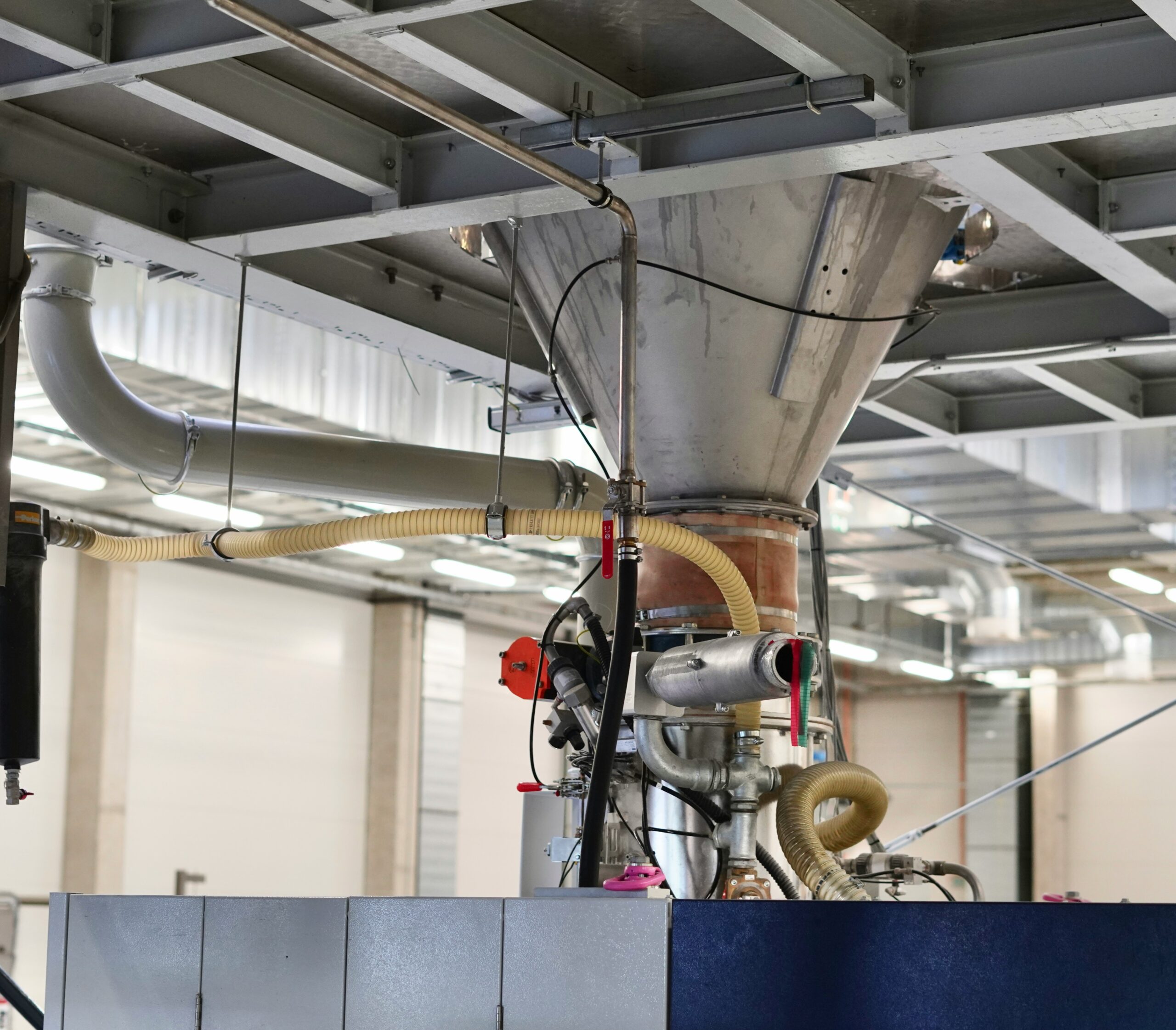
Selecting the right valve bag filling machine is one of the most important decisions in any industrial packaging operation. The correct system can improve filling accuracy, reduce dust, increase production efficiency, and lower long-term maintenance costs. The wrong machine can create unnecessary downtime, inconsistent bag weights, material waste, and excessive wear on equipment.
Valve bag filling machines are widely used throughout industries including cement, minerals, fertilizer, chemicals, food processing, plastics, and agriculture. These systems are designed to package powdered and granular materials into valve bags quickly and efficiently while minimizing dust during the filling process.
However, not every valve bag filler works well with every material. Different products require different filling methods, feed systems, and machine configurations. Understanding the characteristics of your material is the first step toward choosing the right valve bagging solution.
Understanding Your Material Type
The material being packaged plays the largest role in selecting the proper valve bag filling machine. Factors such as particle size, moisture content, bulk density, abrasiveness, and flowability all affect machine performance.
Free-flowing granular products like fertilizer, salt, plastic pellets, and grain typically perform well with gravity-fed systems. Fine powders such as cement, fly ash, silica, and calcium carbonate often require impeller or air packer systems for better flow control and dust management.
Materials that compact easily or require gentle handling may perform better with forced-air or auger-fed systems. Sticky or difficult-to-flow materials may need specialized feeding components to maintain accurate bag weights and reliable filling performance.
Types of Valve Bag Filling Machines
Several different types of valve bag fillers are commonly used across industrial applications.
Gravity Valve Bag Fillers
Gravity-fed valve bag fillers use material flow through adjustable feed gates to fill bags. These systems are commonly used for medium- to high-density free-flowing materials. Gravity fillers are known for their simple operation, low maintenance requirements, and reliable filling performance.
Impeller Valve Bag Fillers
Impeller packers use rotating impellers to move dry, fine powders into valve bags. These systems are commonly used for cement, fly ash, graphite, silica, and other fine mineral products. Impeller systems work well for high-density powders requiring fast production speeds.
Air Packer Valve Bag Fillers
Air packers use air pressure to fluidize and convey powder into bags. These systems are ideal for lightweight powders and products requiring gentle handling during filling. Air packers also help reduce product degradation and improve material flow consistency.
Auger Valve Bag Fillers
Auger-fed systems use screw conveyors to meter material into bags with controlled accuracy. These systems are commonly used for powders, flakes, fibrous materials, and difficult-flow products requiring precise weight control.
Production Requirements Matter
Production speed is another major consideration when selecting a valve bag filling machine. Some operations may only require a few bags per minute, while others need high-speed automated bagging lines capable of running continuously throughout the day.
Manual and semi-automatic systems are often suitable for low- to moderate-volume production environments. Fully automated valve bag filling systems are ideal for higher production facilities looking to reduce labor costs and improve efficiency.
Bag size, bag weight range, and automation requirements should also be evaluated during equipment selection.
Dust Control and Maintenance
Dust management is critical in many industrial packaging operations. Valve bag fillers are often preferred because the valve bag design creates a cleaner filling process compared to some open mouth systems.
Machines equipped with dust-tight bag clamps, sealed filling spouts, and integrated dust collection systems help reduce airborne material and improve plant cleanliness.
Maintenance accessibility should also be considered. Equipment with fewer moving parts, easy-access cleanout doors, and durable construction can reduce downtime and simplify long-term operation.
Choosing the Right Equipment Partner
Working with an experienced bagging equipment manufacturer helps simplify the selection process. The right equipment provider can evaluate material characteristics, production goals, and operational requirements to recommend the most effective system.
Choosing the proper valve bag filling machine improves efficiency, increases filling accuracy, reduces waste, and helps support long-term production performance across demanding industrial applications.